%2Ffit-in%2F250x250%2Fguide_websites%2F119863%2Fimages%2F1771925537622guybusinesslogo.jpeg&w=1920&q=100)
/users/1af30e13-566f-4773-a0a4-7d1b4737c95a/ratecard/beg-mm0egfi7.jpeg)
%2F300x300%2Fusers%2F1af30e13-566f-4773-a0a4-7d1b4737c95a%2Fratecard%2Fbeg-mm0egfi7.jpeg&w=256&q=75)
%2F300x300%2Fusers%2F1af30e13-566f-4773-a0a4-7d1b4737c95a%2Fimages%2Ftampa-gag-grouper-fishing-charter-2728.jpeg&w=256&q=75)
%2F300x300%2Fusers%2F1af30e13-566f-4773-a0a4-7d1b4737c95a%2Fimages%2Fredfish-tampa-fishing-tour-2663.jpg&w=256&q=75)
%2F300x300%2Fusers%2F1af30e13-566f-4773-a0a4-7d1b4737c95a%2Fimages%2Fredfish-catch-tampa-2645.jpg&w=256&q=75)
%2F300x300%2Fusers%2F1af30e13-566f-4773-a0a4-7d1b4737c95a%2Fimages%2Ftampa-fishing-tour-2667.jpg&w=256&q=75)
%2F300x300%2Fusers%2F1af30e13-566f-4773-a0a4-7d1b4737c95a%2Fimages%2Fredfish-cruises-fishing-tours-fl-2712.jpg&w=256&q=75)
%2F300x300%2Fusers%2F1af30e13-566f-4773-a0a4-7d1b4737c95a%2Fimages%2Fredfish-black-drum-tampa-fishing-2760.jpeg&w=256&q=75)
%2F300x300%2Fusers%2F1af30e13-566f-4773-a0a4-7d1b4737c95a%2Fimages%2Fsnook-fishing-tampa-2633.webp&w=256&q=75)
%2F300x300%2Fusers%2F1af30e13-566f-4773-a0a4-7d1b4737c95a%2Fimages%2Fredfish-caught-florida-2680.webp&w=256&q=75)
%2F300x300%2Fusers%2F1af30e13-566f-4773-a0a4-7d1b4737c95a%2Fimages%2Fbest-great-fishing-fl-grey-2633.webp&w=256&q=75)
%2F300x300%2Fusers%2F1af30e13-566f-4773-a0a4-7d1b4737c95a%2Fimages%2Fredfish-catch-tampa-2713.webp&w=256&q=75)
Tampa Bay Beginner Fishing Trip Run And Gun
 Tampa Bay
What you will be catching:
 Redfish
 Sea Trout
 Sheepshead
 Snook
Snook Tripletail
- This beginner-friendly Tampa Bay fishing trip is perfect for families and first-timers who want to learn the ropes without pressure. Captain Guy takes you through calm inshore waters where you'll target redfish, snapper, sea trout, and snook while learning proper casting, baiting, and fish handling techniques. The relaxed pace means you start when you're ready and focus on building confidence on the water. All gear is provided, and the captain guides you through local fishing methods that work in these productive Tampa Bay waters. With space for up to 4 guests, it's an ideal way to get comfortable with saltwater fishing while actually catching fish in one of Florida's best inshore fishing spots.
Trip Pricing and Availabilities:
Custom Beginner Fishing Trip in Tampa Bay
Looking to get your feet wet in the world of inshore fishing? Captain Guy's custom day trips on Tampa Bay are perfect for families and first-time anglers who want to learn the ropes without the pressure. This isn't one of those rushed charter experiences where you're just along for the ride. We're talking about a hands-on learning adventure where you'll actually understand what you're doing out there. The best part? We leave when you're ready to go, so no crazy early morning rush if that's not your thing. Tampa Bay's calm inshore waters make it the ideal classroom for picking up fishing basics while actually catching fish that'll make you want to come back for more.
What to Expect on the Water
Captain Guy keeps things relaxed and educational, which is exactly what you want when you're starting out. We're departing from the Gandy boat ramp on West Gandy Boulevard, and from there it's a short cruise to some of Tampa Bay's most productive shallow water spots. The beauty of inshore fishing here is that we're not dealing with rough seas or long runs to the fishing grounds. You'll be learning to cast, bait hooks, and handle fish in protected waters where everyone stays comfortable. The boat accommodates up to four guests, so it's perfect for a family outing or small group of friends. Don't worry about bringing anything except your Florida fishing license - all the rods, reels, tackle, and bait are provided. Captain Guy will be right there walking you through every step, from tying knots to landing your first redfish.
Techniques You'll Master
Tampa Bay inshore fishing is all about reading the water and putting your bait in the right spots. You'll learn to work live shrimp under popping corks around mangrove shorelines where snook like to ambush prey. Captain Guy will show you how to cast soft plastics on jig heads for redfish cruising the grass flats, and you'll pick up the rhythm of bouncing bottom rigs for sheepshead around dock pilings and structure. The key techniques here aren't complicated - it's more about understanding fish behavior and how different species relate to structure, tide movement, and bait. You'll get hands-on practice with different presentations, learn to feel the difference between a bite and bottom contact, and understand why certain spots produce fish while others don't. These are skills that'll serve you well whether you decide to book another charter or start fishing on your own.
Top Catches This Season
Redfish are the bread and butter of Tampa Bay inshore fishing, and for good reason. These copper-colored bruisers typically run 18 to 27 inches in these waters, and they're perfect for beginners because they fight hard but don't require super technical presentations. You'll find them cruising the grass flats and around oyster bars, especially on moving tides. What makes redfish so exciting is that visual element - you can often see them before you cast, which adds a whole different level to the experience. They're year-round residents, but spring and fall tend to produce the most consistent action.
Sea trout might be the most cooperative fish in Tampa Bay when it comes to teaching new anglers. They're aggressive feeders that respond well to live shrimp and soft plastics, and they're found throughout the bay system. Most of the trout you'll encounter run 14 to 18 inches, with some nicer fish pushing over 20. They love grass flats and drop-offs, particularly during dawn and dusk periods. What's great about trout fishing is that once you find them, there are usually more in the area, so beginners get multiple shots to practice their technique.
Sheepshead are the technical challenge of Tampa Bay inshore fishing, but Captain Guy makes them approachable for beginners. These black and white striped fish are notorious bait stealers, but once you learn to detect their subtle bites, they become addictive targets. They average 12 to 16 inches around structure like docks, bridges, and rock piles. Winter months are prime time for sheepshead, when they move shallow to spawn. They're excellent eating, which makes them a customer favorite for families looking to take dinner home.
Snook are the glamour fish of Tampa Bay, and when conditions are right, Captain Guy will put you on these silver-sided fighters. They're ambush predators that hang around mangroves, docks, and bridges, particularly during warmer months. Most snook in the bay run 20 to 28 inches, and they're known for their acrobatic fights and gill-rattling jumps. What makes snook special is their finicky nature - they can be incredibly aggressive one minute and completely shut down the next, which keeps things interesting even for experienced anglers.
Tripletail are Tampa Bay's wild card species. These oddly shaped fish float near the surface around crab trap floats, channel markers, and debris. They're not always around, but when they show up, they provide some of the most unique fishing the bay has to offer. Tripletail average 15 to 20 inches and are exceptional table fare. What's exciting about targeting them is the sight fishing aspect - you're literally looking for individual fish and making precise casts, which is a skill that translates to other types of fishing.
Time to Book Your Spot
This custom day trip strikes the perfect balance between learning and actually catching fish, which is exactly what you want for a first inshore fishing experience. Captain Guy's patient teaching style and Tampa Bay's forgiving waters create an environment where beginners can build confidence while targeting some of Florida's most popular gamefish. The flexible departure time and comprehensive instruction make this a top-rated choice for families and anyone looking to get serious about inshore fishing. Don't forget to grab your Florida fishing license before you head to the boat ramp, and make sure to contact Captain Guy about guest ages so he can have the right safety equipment ready. Tampa Bay's inshore fishing scene is waiting for you - time to see what
Learn more about the species
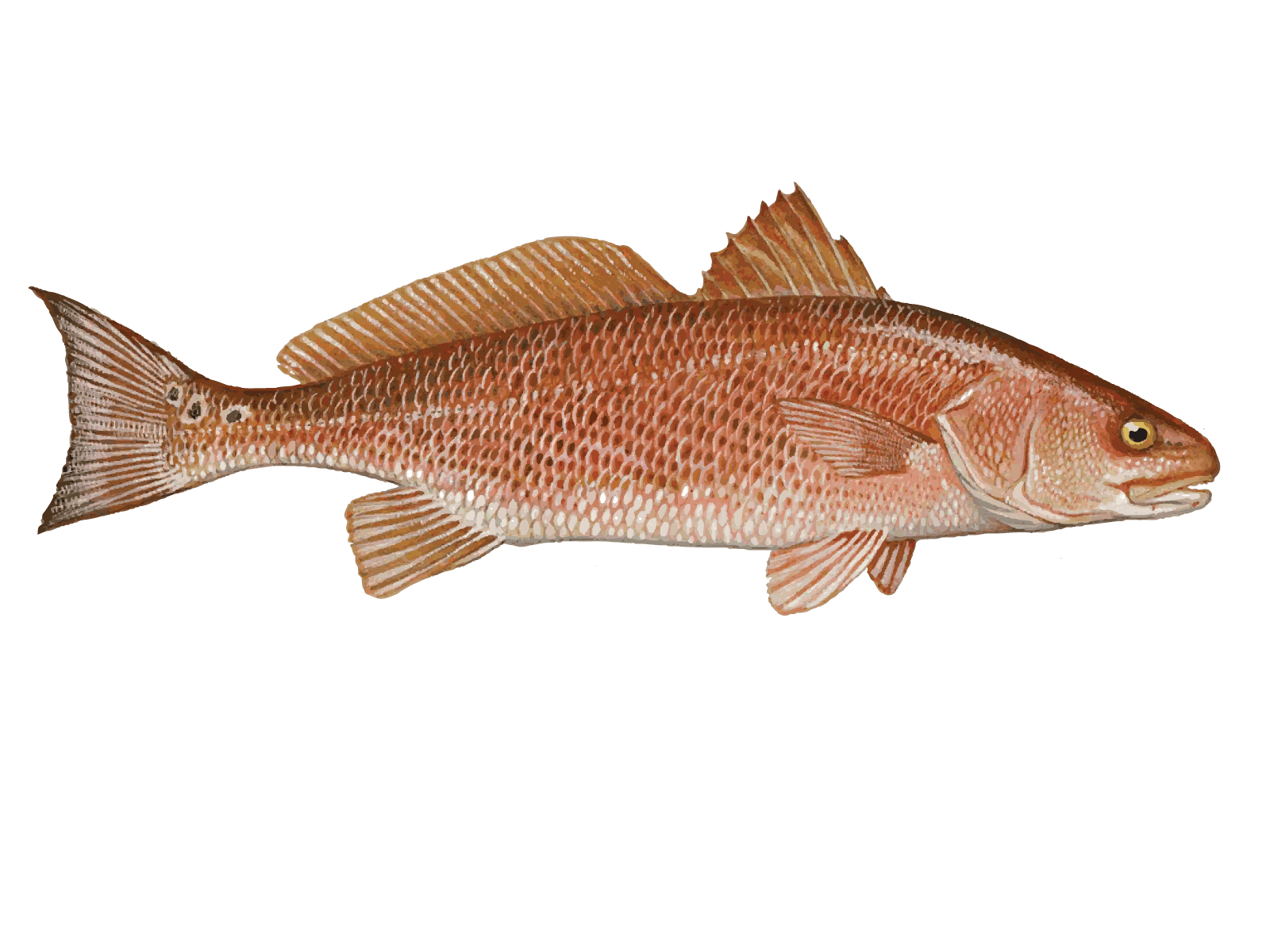
Redfish
Redfish are Tampa Bay's copper-colored bulldogs, typically running 18-27 inches with that signature black spot near the tail. These shallow water lovers cruise oyster bars, grass flats, and mangrove shorelines in just 1-4 feet of water. Year-round fishing is good, but fall and spring offer the best action when they school up in the shallows. What makes reds so popular is their powerful, drag-screaming runs and their willingness to eat almost anything - perfect for families and beginners. They're also excellent table fare with firm, mild-flavored meat. The real thrill comes from sight fishing when you can actually see them tailing in shallow water. Local trick: look for nervous water or slight wakes in skinny areas, then cast ahead of their path and let your bait settle. They'll usually pick it up on the drop.
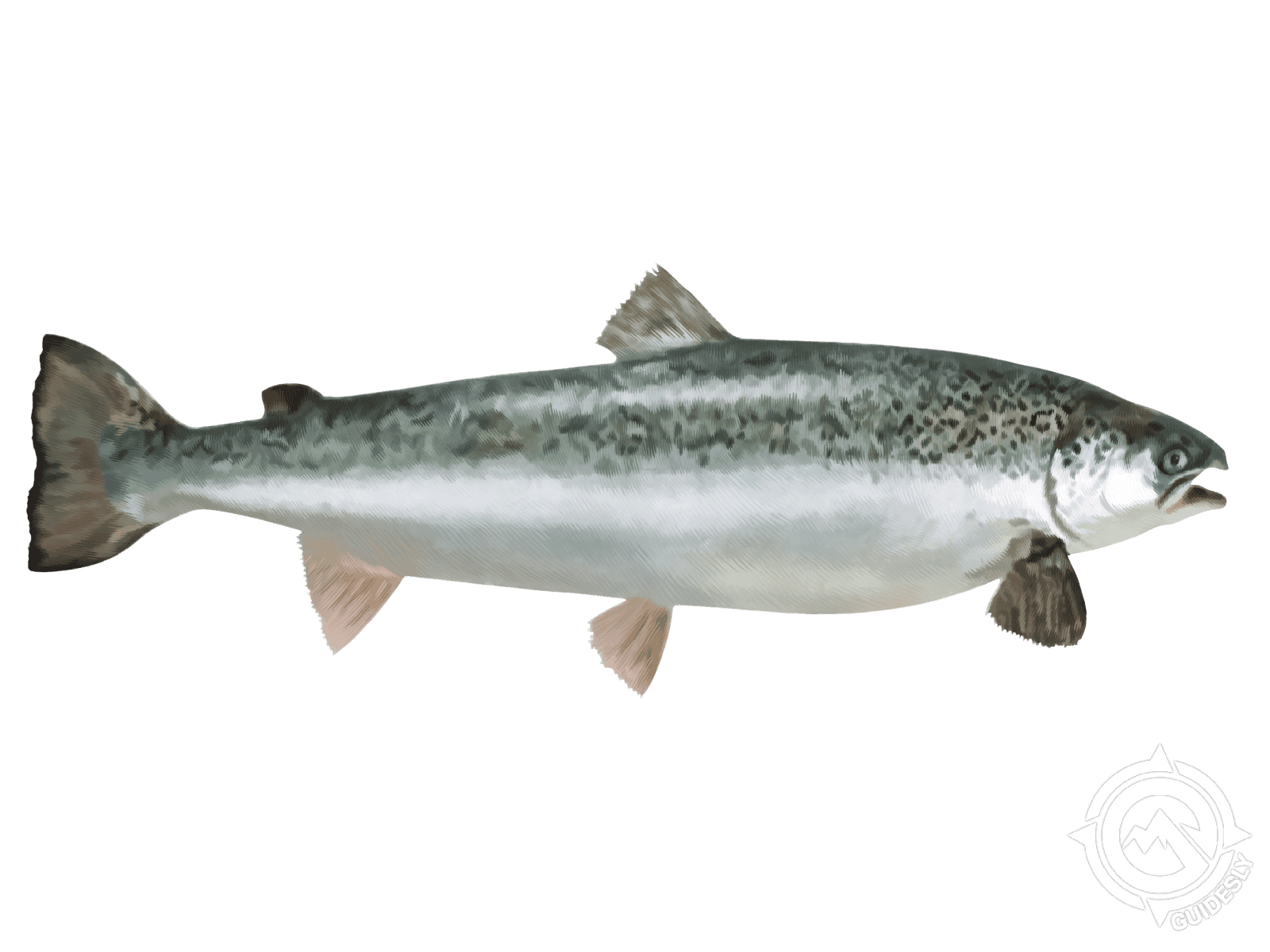
Sea Trout
Spotted sea trout, or "specks," are Tampa Bay favorites that typically run 12-18 inches with plenty of black spots along their silver sides. These grass flat specialists love shallow waters from 2-6 feet deep, especially around seagrass beds and drop-offs. They're most active during cooler months from October through April, and low-light periods like dawn and dusk. What makes trout fishing fun is their willingness to hit both live bait and artificials - they're perfect for beginners learning to cast. The fight is steady rather than explosive, and they make excellent table fare with tender, flaky white meat. Pro tip: work your lure slowly through the grass - trout are lazy feeders that prefer an easy meal. If you're using live shrimp, let it drift naturally with just enough weight to keep it in the strike zone.
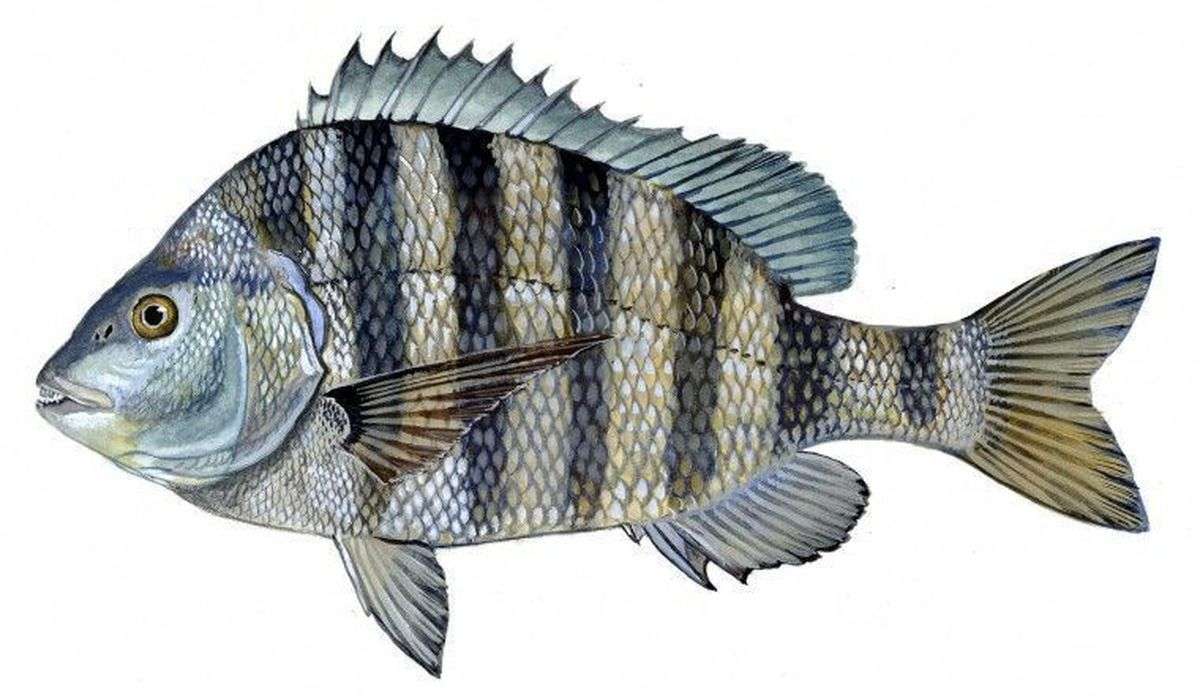
Sheepshead
Sheepshead are the "convict fish" of Tampa Bay with their black and gray stripes, averaging 1-3 pounds but occasionally hitting 8+ pounds. These crafty fish hang around any structure - docks, bridges, pilings, and rocky areas where they use their human-like teeth to crush barnacles and crabs. Winter months from December through March are prime time when they school up for spawning. What guests love about sheepshead is the challenge - they're notorious bait thieves who'll nibble and test your offering before committing. The reward is some of the best eating fish in the bay with sweet, white meat. My tip: use small hooks with fresh shrimp or fiddler crabs, keep your bait tight to structure, and when you feel that subtle tap-tap-tap, set the hook hard and fast before they steal your bait.
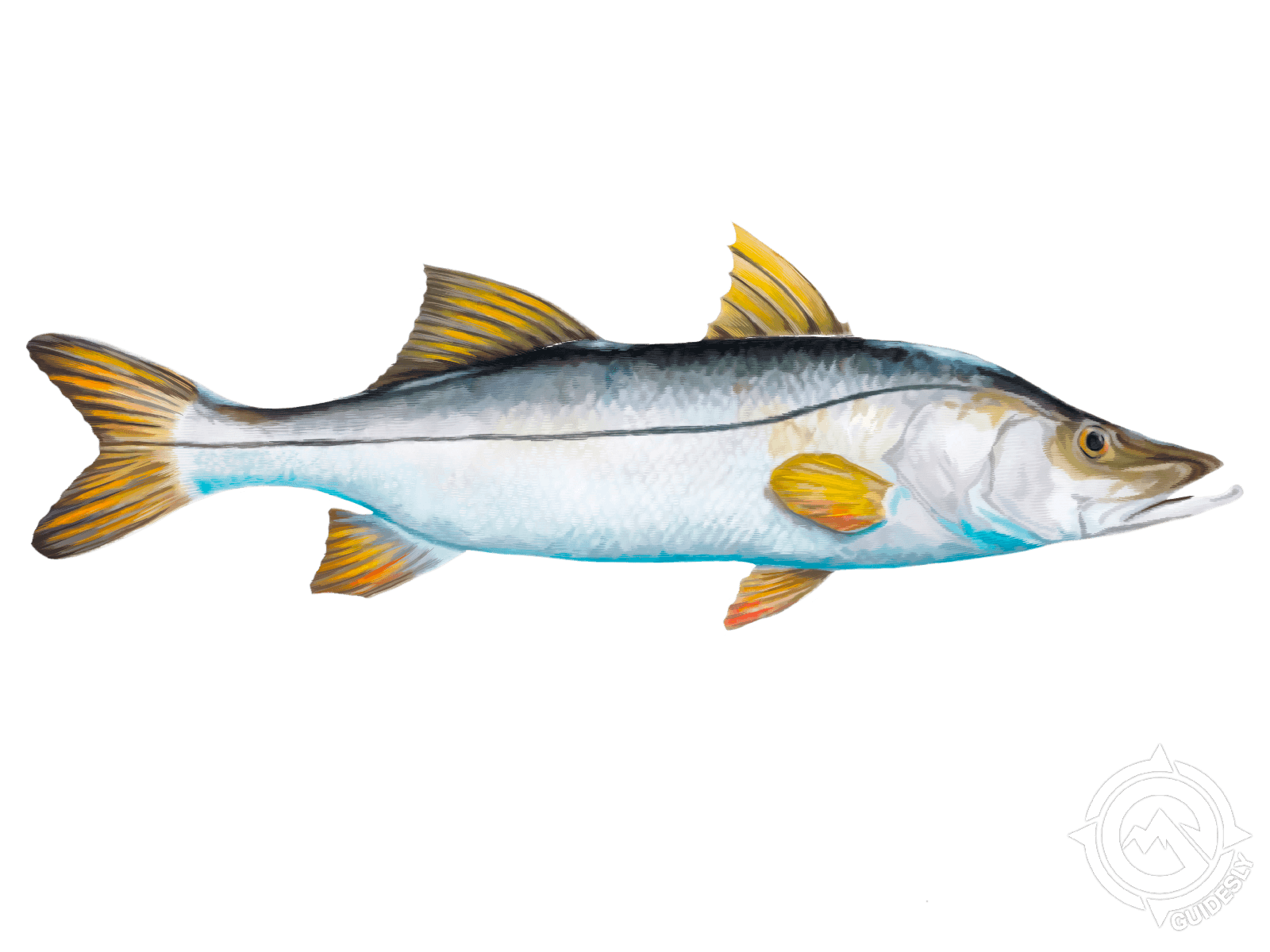
Snook
Snook are one of Tampa Bay's premier game fish, averaging 18-24 inches but capable of reaching over 40 inches. These golden, streamlined fish with their distinctive black lateral line love hanging around mangroves, docks, and creek mouths in shallow water. They're ambush predators that use their wide tails for explosive bursts of speed. Spring through fall offers the best action, especially around the full and new moons when they get more active. What makes snook special is their acrobatic fight - they'll jump, run, and put up a real battle. The meat is excellent too, white and flaky when cooked right. Here's a local tip: cast your bait upstream from structure and let the current drift it naturally toward where they're hiding. They spook easily, so stay quiet and keep your distance.
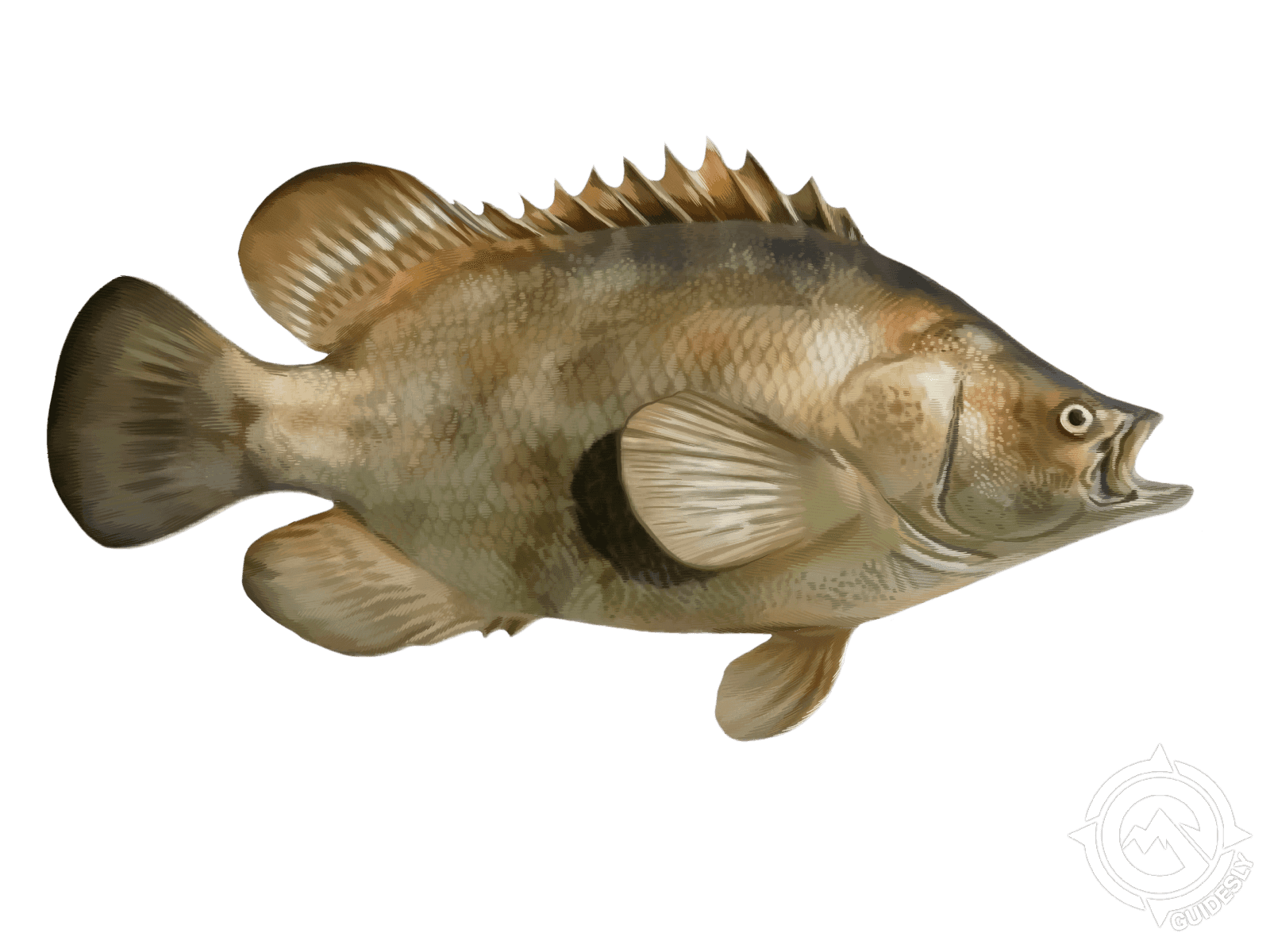
Tripletail
Tripletail are Tampa Bay's oddball prize fish, averaging 3-8 pounds with a unique body shape that earned their name from three similarly-shaped fins. These mottled brown and white fish are masters of disguise, often floating on their sides mimicking debris around channel markers, crab trap buoys, and weed lines. Summer months from June through September offer the best opportunities when they cruise near the surface. What makes tripletail special is the sight fishing challenge - you actually spot them before casting. They're also surprisingly acrobatic fighters and taste similar to grouper with firm, white meat. The key is stealth: cast well past the fish and work your bait slowly toward them. They spook easily, so approach quietly and make accurate casts. Live shrimp or small jigs work best when presented naturally.
About the Run And Gun Charters
%2F%2Fusers%2F1af30e13-566f-4773-a0a4-7d1b4737c95a%2Fvehicle_picture%2Fcaptguyboat-mm0a70qy.jpg&w=1920&q=75)
Vehicle Guest Capacity: 6
Manufacturer Name: Yamaha
Maximum Cruising Speed: 32
Number of Engines: 1
Horsepower per Engine: 225